
Short answer: Yes, stress and sex drive are closely linked. Major health bodies, including the NHS, Mayo Clinic and the American Psychological Association, list stress as a recognized cause of lower desire, and chronic stress can also contribute to erection problems. Desire usually recovers when the stress is reduced and sleep, alcohol, relationship strain and mood are addressed, but if low desire lasts or comes with low mood, see a doctor to rule out depression, medication effects and other medical causes.
Key Takeaways
- “Change in sex drive” is one of the body symptoms of stress listed by Mayo Clinic, next to fatigue, sleep problems and muscle tension.[3]
- The NHS lists stress, anxiety or depression, relationship problems, certain medicines and drinking too much alcohol as common causes of a low sex drive.[2]
- The APA notes that chronic stress can affect testosterone production, lower libido and even contribute to erectile dysfunction.[1]
- Recovery is mostly about removing the load: active stress management, sleep, less alcohol, honest talk with your partner and, when needed, counseling.
- Low desire plus persistent sadness, hopelessness or loss of interest in most things can be depression, which is treatable. If you have thoughts of harming yourself, call or text 988 in the US.[6]
How Stress Lowers Sex Drive
Stress is a feeling of emotional or physical tension, and the body responds to it by releasing hormones.[5] MedlinePlus separates two kinds: acute stress, which is short term and goes away quickly, and chronic stress, which lasts for a longer period of time.[5] A tense week before a deadline is acute. Months of money worries, caregiving, job insecurity or conflict at home are chronic, and chronic stress is the kind that tends to show up in the bedroom.
The hormone side
The American Psychological Association explains that the body’s stress response is tied to the systems that regulate male reproductive function, and that chronic stress “can affect testosterone production resulting in a decline in sex drive or libido.”[1] The same APA page notes that chronic stress can also affect sperm production and maturation, and that men who experienced two or more stressful life events in the past year had a lower percentage of sperm motility.[1] If you want to understand how the stress hormone cortisol fits into daily energy, see our guide on how to lower cortisol.
The brain and behavior side
Desire is not only hormonal. Stress pulls attention toward the problem that is worrying you, and the mood effects Mayo Clinic lists (anxiety, restlessness, lack of motivation or focus, feeling overwhelmed, irritability, sadness) leave little room for sexual interest.[3] Stress also changes behavior: overeating or undereating, drug or alcohol misuse, tobacco use, avoiding friends and exercising less often.[3] Several of those habits independently drag desire down, so stress often lowers libido both directly and through the coping habits it triggers.
The sleep side
Sleep problems and fatigue are on Mayo Clinic’s list of stress symptoms.[3] A man who is sleeping badly and running on empty usually notices desire fading before he connects it to stress. Fixing sleep is often one of the fastest ways to feel interested again.
Can Stress Cause Erectile Dysfunction?
It can. Mayo Clinic lists stress, depression, anxiety and other mental health conditions, and issues with a partner among the causes of erectile dysfunction, and notes that stress and mental health concerns can cause ED or make it worse.[4] The APA also states that chronic stress can contribute to erectile dysfunction.[1]
A common pattern looks like this: stress lowers desire, one encounter does not go as expected, and worry about the next time becomes its own source of stress. That loop is covered in more depth in our article on stress symptoms in men.
Do not assume stress is the whole story. Mayo Clinic points out that problems getting or keeping an erection can be a sign of a health condition that needs treatment, and that ED is a risk factor for heart disease.[4] That is why a medical check comes first, especially if you also have diabetes, heart disease or other symptoms.
Is It Stress or Something Else?
Low desire has many causes, and stress often overlaps with them. The table below helps you sort out what may be going on and what to do first. For the full list of causes, see our guide to low sex drive in men.
| Possible driver | Clues it may be involved | Sensible first step |
|---|---|---|
| Chronic stress | Desire dropped during a hard period; tension, fatigue, poor sleep, irritability | Reduce the load, add daily active stress management, protect sleep |
| Depression or anxiety | Loss of interest in most things, persistent sadness, hopelessness, constant worry | See a doctor or mental health professional; this is treatable |
| Relationship strain | Desire is lower with your partner specifically; unresolved conflict or distance | Talk openly; consider relationship counseling |
| Medicines | Change started after a new prescription, such as blood pressure medicine or antidepressants | Ask your prescriber; do not stop a medicine on your own |
| Alcohol | Drinking more to cope with stress | Cut back and track how you feel over a few weeks |
| Hormonal or medical issue | Erection problems, low energy that does not lift with rest, other new symptoms | Medical check, which may include blood tests ordered by your clinician |
The stress, depression, relationship, medicine and alcohol rows reflect the causes listed by the NHS.[2] The NHS also notes that treatment for low sex drive depends on what is causing it, and that changing to a different medicine may help when a medicine is the cause.[2]
How to Get Your Sex Drive Back After Stress
There is no single trick. The goal is to lower the overall stress load and remove the habits that stress has stacked on top of it. These steps follow Mayo Clinic’s stress management advice[3] and the NHS approach of treating the underlying cause.[2]
1. Name the stressor and write it down
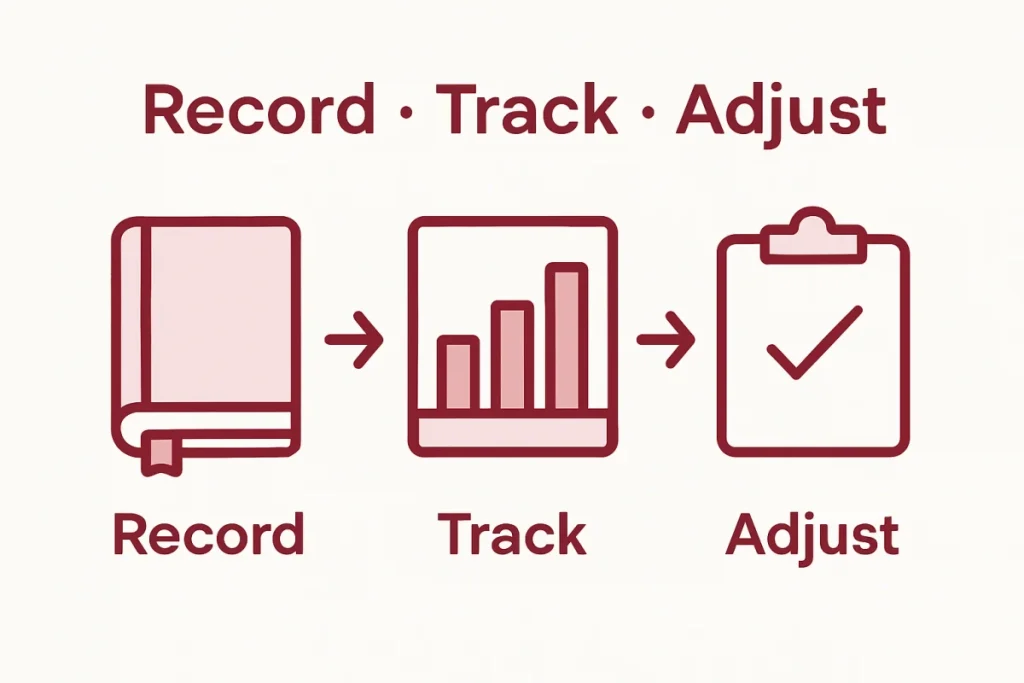
Mayo Clinic recommends writing in a journal as a stress management tool.[3] For one or two weeks, note what stressed you each day, how you slept, how much you drank and whether you felt any desire. Patterns appear quickly, and it is easier to fix a specific problem than a vague feeling of being drained.
2. Choose active coping over passive coping
Mayo Clinic advises favoring active over passive coping, since passive options such as screen time may increase stress over time.[3] Active options it lists include regular physical activity on most days of the week, relaxation techniques, time with family and friends, and hobbies.[3] A brisk walk after work does more for stress than an extra hour of scrolling.
3. Protect your sleep
Getting enough sleep is one of Mayo Clinic’s core recommendations.[3] Keep a consistent bedtime, keep screens out of the bedroom and give yourself time to wind down. Better sleep tends to lift energy, mood and interest together.
4. Cut back on alcohol and avoid tobacco
Drinking too much alcohol is a listed cause of low sex drive,[2] and Mayo Clinic advises staying away from tobacco, alcohol and illegal substances as part of managing stress.[3] Many men drink more when stressed and then blame stress alone for the drop in desire.
5. Talk to your partner
Stress-related low desire is easy to misread as rejection. A short, honest conversation (“work has been crushing me, it is not you”) lowers pressure on both sides. Relationship problems are both a cause and a result of low desire, and the NHS lists relationship counseling as one of the options a GP can point you toward.[2]
6. Get help when self-care is not enough
If symptoms persist despite your efforts, Mayo Clinic advises seeing your health care provider, who may check for other causes, and considering a counselor or therapist who can help identify sources of stress and teach coping skills.[3] MedlinePlus also advises contacting your provider if you feel overwhelmed by stress, if it is affecting your health, or if you are unable to work or function at home.[5] For more everyday habits that support desire, see our list of ways to increase libido naturally.
When to See a Doctor
Book an appointment if any of these apply:
- You are worried about your low sex drive, or it has not returned after the stressful period has passed.[2]
- You started a new medicine and think it may be affecting your desire.[2]
- You have erection problems, especially with diabetes, heart disease or other symptoms.[4]
- You feel overwhelmed, have panic symptoms, or cannot function at work or at home.[5]
Screen for depression
The NHS groups stress, anxiety and depression together as causes of low sex drive.[2] If low desire comes with persistent sadness, loss of interest in things you used to enjoy, hopelessness or changes in sleep and appetite, tell your doctor. Depression is a real medical condition, not a weakness, and it is treated with options such as talk therapy and medication. A doctor can screen you with a few simple questions, and the NHS notes that treating a mental health problem is one of the ways a low sex drive can be addressed.[2]
Urgent help
If you are thinking about harming yourself, call 911 or a crisis line.[3] In the US, you can call or text 988, or chat online, to reach the 988 Suicide and Crisis Lifeline any time, day or night.[6] Get emergency care right away for chest pain, especially with shortness of breath, pain in the jaw, back, shoulder or arm, sweating, dizziness or nausea.[3]
Where Supplements Fit
No supplement removes the cause of stress, and none should replace a medical check or mental health care. Ultra Bann is a natural male vitality supplement by DL Bioproducts with seven botanicals listed by amount on the label (no proprietary blend), taken as one capsule every 2 days. You can review the full formula on the Ultra Bann ingredients page or visit the Ultra Bann shop. If you take prescription medicines or are being treated for a mental health condition, ask your doctor before adding any supplement.
Frequently Asked Questions
Can stress really cause low libido?
Yes. The NHS lists stress, anxiety or depression among the causes of a low sex drive, Mayo Clinic lists change in sex drive as a physical symptom of stress, and the APA notes that chronic stress can lower libido.[1][2][3]
How long does it take for sex drive to come back after stress?
There is no fixed timeline. Desire often returns as the stressful situation eases and sleep, alcohol use and mood improve. If it has not come back after the stressful period is over, or if you are worried about it, see a doctor to check for other causes.[2]
Can stress cause erectile dysfunction?
Yes. Mayo Clinic lists stress, anxiety, depression and partner issues among the causes of ED and says stress can cause ED or make it worse.[4] Because ED can also be a sign of a health condition and is a risk factor for heart disease, get checked rather than assuming stress is the only cause.[4]
Is low libido a sign of depression?
It can be one sign, but not on its own. Low desire together with persistent low mood, loss of interest in most activities or hopelessness is worth raising with a doctor, since depression is a listed cause of low sex drive and is treatable.[2]
Does stress lower testosterone?
The APA notes that chronic stress can affect testosterone production, which can lead to a decline in libido.[1] Only a blood test ordered by your clinician can tell you whether your levels are actually low.
References
- American Psychological Association. Stress effects on the body. Last reviewed October 2024.
- NHS. Low sex drive (loss of libido). Page last reviewed May 2026.
- Mayo Clinic. Stress symptoms: Effects on your body and behavior.
- Mayo Clinic. Erectile dysfunction: Symptoms and causes.
- MedlinePlus Medical Encyclopedia. Stress and your health. Reviewed May 2026.
- 988 Suicide and Crisis Lifeline. 988lifeline.org.
These statements have not been evaluated by the Food and Drug Administration. This product is not intended to diagnose, treat, cure or prevent any disease. This article is for information only and is not medical advice.
Ultra Bann natural male vitality support
1 capsule every 2 days. Free US shipping and a 60-day money-back guarantee on your first order.
See Ultra BannThese statements have not been evaluated by the Food and Drug Administration. This product is not intended to diagnose, treat, cure, or prevent any disease.